
ADHD, Focus & Everyday Productivity
Understand attention. Build useful routines. Find your next step.
Getting started, staying organized, and finishing what you planned can sometimes feel harder than the task itself.
You sit down to work, but distractions keep pulling you away. Your to-do list grows. Important files disappear into a crowded desktop. By the end of the day, you’ve been busy—but the work you wanted to finish is still waiting.
For people with ADHD, difficulties with attention and organization can affect many parts of daily life. Other people experience similar challenges for different reasons.
This guide brings together information about ADHD, practical productivity tools, and personal experiences from Project Noo You founder Mark Madison.
Explore the guides below to find a useful place to start.
Understanding ADHD and Attention
ADHD—attention-deficit/hyperactivity disorder—is a developmental condition involving persistent difficulties with attention, hyperactivity, impulsivity, or a combination of these. It can affect children and adults. Some people mainly experience difficulties with attention and organization; others also experience noticeable restlessness or impulsivity.
However, distraction alone does not establish that someone has ADHD. Sleep problems, anxiety, depression, and other conditions can cause similar difficulties. Assessment considers a person’s history, symptoms across different settings, and the effect on everyday functioning.If these difficulties regularly affect your work, education, relationships, or home life, a qualified healthcare professional can help you understand what is happening.
If these difficulties regularly affect your work, education, relationships, or home life, a qualified healthcare professional can help you understand what is happening.
Start With the Challenge You Want to Address
Making your Workspace more Manageable
A long list can leave you unsure where to begin. Choosing priorities and breaking a project into smaller actions can give your day a clearer direction.

Explore Mark’s approach to prioritizing tasks, dividing larger projects into manageable steps, and building momentum.
Organizing Your Digital Workspace
When your desktop is crowded with files, finding the right document becomes another task.

Download a desktop wallpaper designed to give your files and folders a visible home, with spaces for current projects, urgent tasks, and items awaiting a response.
Exploring Your Working Environment
Your workspace is somewhere you can experiment with small changes and notice what suits you.

Read Mark’s thoughts on background sound, room comfort, and creatine. This article combines personal observations with supplement discussion; it should not be read as an ADHD treatment guide.
Concerned about your child's attention?
If your child frequently struggles with attention, restlessness, or impulsive behavior, start a conversation with their healthcare provider.
There is no single test for ADHD. Assessment may involve information from parents, teachers, and other adults, alongside checking for other explanations for the difficulties.
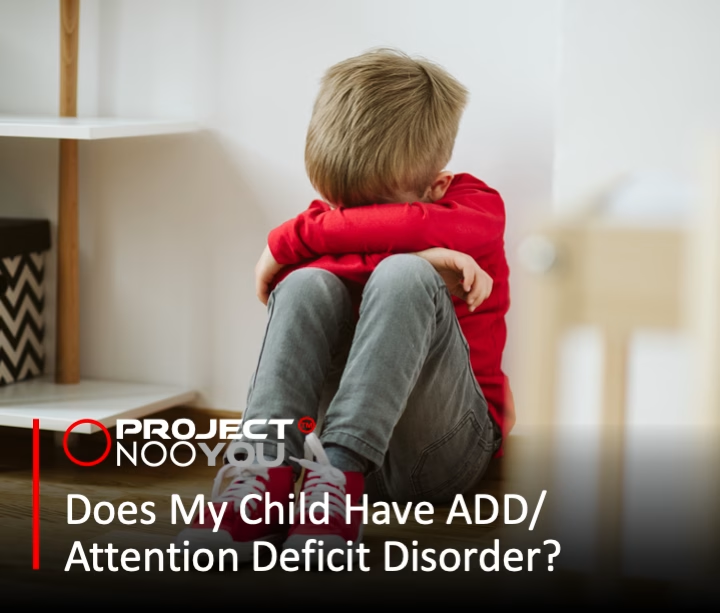
Mark shares personal reflections on growing up with attention difficulties and the importance of understanding a child’s experiences. His story offers an individual perspective, rather than a diagnostic checklist or medical advice.
Personal Experiences With Routines and Change
Personal stories can offer encouragement and questions to explore. They also reflect one person’s circumstances.
Changing Established Habits

Mark reflects on changing his smoking and drinking habits, including the language and routines he found useful. This is a personal account of behavior change, rather than an ADHD or addiction treatment plan.
understanding Nootropic Stacks

An account of Mark’s supplement routine at the time of writing. Individual experiences do not establish that a combination is safe or effective for another person, particularly someone taking medication.
where do supplements fit?
Interest in focus supplements is understandable, but general cognitive support and ADHD treatment are different questions.
Research has not established most supplements as effective ADHD treatments. Supplements can also cause side effects or interact with medicines.
If you are considering a supplement while taking ADHD medication—or considering one for a child—discuss it with the prescribing clinician or pharmacist first. Do not replace prescribed treatment with a supplement routine based on someone else’s experience.
Build a routine you can use
Choose one manageable change and give yourself a chance to assess it:
These strategies can support daily functioning alongside appropriate care. You can adapt them to your circumstances rather than trying to change everything at once.
frequently asked questions
Find One Useful Next Step
Explore a guide, try a practical tool, or ask for support.You don’t need to solve every challenge today to begin making everyday life more manageable.

This page provides general information and personal perspectives. It does not diagnose ADHD or provide an individual treatment plan.