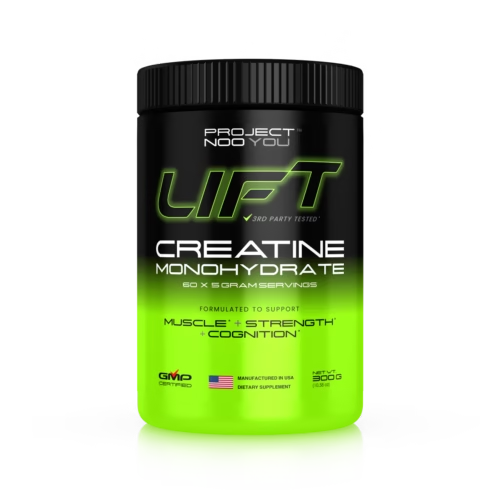


When people think about creatine, they usually think about what type of creatine to buy (monohydrate, HCl, etc.).
But there’s another equally important question:
What form of creatine should you take?
Powder, gummies, capsules, and tablets all deliver creatine — but they differ significantly in dosing accuracy, absorption practicality, cost, additives, and suitability for long-term use.
This guide breaks down the pros and cons of each creatine format, who each one is best for, and what to consider — especially if you’re over 40 and focused on brain health and longevity, not trends.
What it is
Loose creatine powder, typically creatine monohydrate, mixed into water, juice, or a shake.
Pros
Cons
Best for
Verdict
Powder remains the gold standard — especially for people over 40 who want simplicity, control, and research alignment.
What they are
Chewable gummies containing creatine, often combined with flavorings, sweeteners, and sometimes vitamins.
Pros
Cons
Best for
Not ideal for
Verdict
Convenient, but not optimal for consistent therapeutic-level dosing or long-term cognitive support.
What they are
Creatine powder encapsulated in gelatin or plant-based capsules.
Pros
Cons
Best for
Verdict
A good alternative if powder isn’t tolerated — but less efficient and more expensive long term.
What they are
Compressed creatine powder formed into tablets.
Pros
Cons
Best for
Verdict
Functional, but generally inferior to powder in comfort and dosing flexibility.
From a physiological standpoint:
However, some formats make this easier — and some make it harder.
For adults over 40, the goal is often not maximal muscle gain — but:
Creatine powder (micronized creatine monohydrate)
Why:
Gummies, while appealing, are often counterproductive for brain-health-focused adults due to sugar content and inconsistent dosing.
Capsules and tablets can work, but many adults find daily multi-pill dosing unsustainable long term.
Creatine is simple — but how you take it matters.
For most people, especially adults over 40 interested in brain health, longevity, and evidence-based supplementation, creatine powder remains the best option.
It’s the format used in the vast majority of research, the easiest to dose correctly, and the most sustainable long term.
Trends come and go.
Consistency wins.
Curious to Try Creatine the Research-Aligned Way?
If you’re exploring creatine for both physical and cognitive support, starting with a clean, micronized creatine powder makes the most sense.
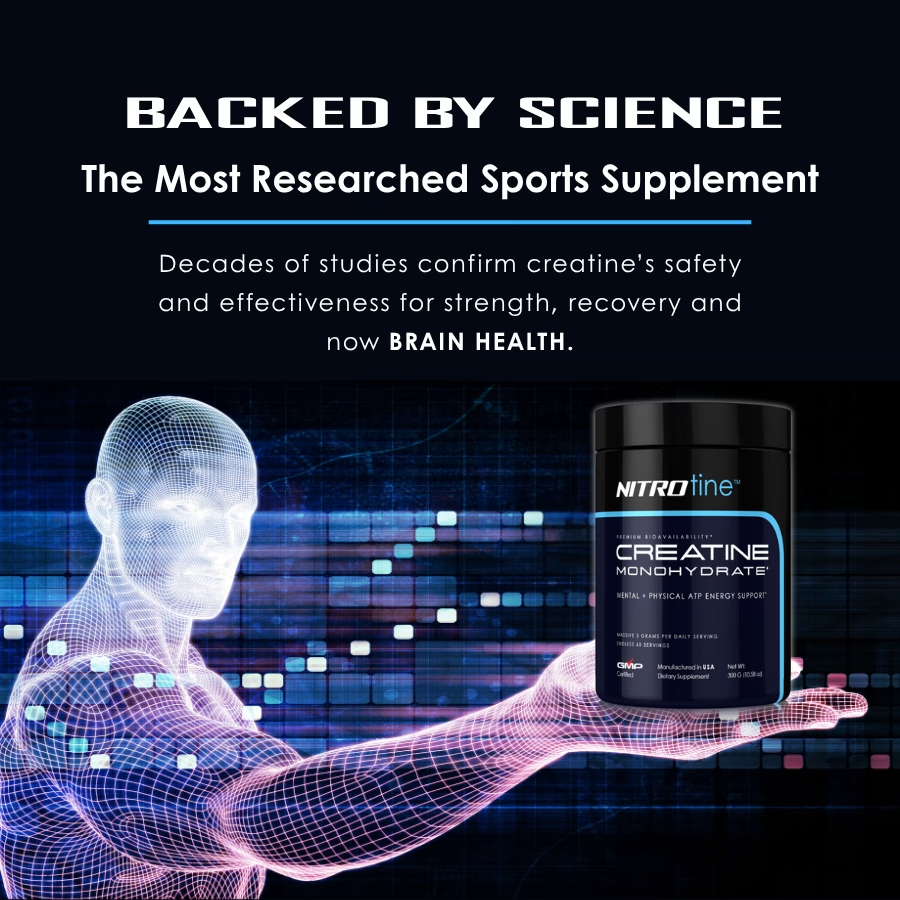
NITROtine™ is a premium micronized creatine monohydrate designed for daily use—without stimulants or unnecessary additives.
New users get 15% off
Use code Nitrotine15 at checkout.