

Creatine has historically been marketed to men, but the science is clear: women can benefit substantially from creatine supplementation—for strength, training performance, lean mass support, and potentially brain and healthy-aging outcomes. Major sports nutrition authorities also recognize creatine as one of the most evidence-backed supplements for female athletes.
This guide addresses the most common questions women have (bloating, weight gain, safety, dosing, and timing) and lays out exactly how to use creatine effectively.
Creatine supports the body’s rapid energy system by increasing phosphocreatine stores, which helps regenerate ATP during short, high-intensity effort (lifting, sprint intervals, repeated hard sets). That mechanism is the same in women and men, which is why the performance benefits translate.
Creatine is consistently associated with improvements in resistance training outcomes (strength and training capacity) when taken regularly—this is one of the most consistent findings in the creatine literature overall.
A 2025 systematic review focused on active females evaluates creatine’s performance effects and highlights the growing body of female-specific evidence.
Creatine often increases lean mass, particularly when paired with resistance training. Meta-analytic evidence supports lean tissue and strength gains across populations.
It’s also important to interpret “lean mass” correctly: in the short term, creatine may raise body weight slightly via increased intramuscular water (a normal and expected effect), and over longer timeframes it can support real improvements in training output that drive muscle development. The distinction matters for women who are scale-sensitive.
Creatine has been studied in older women, including trials examining outcomes with and without resistance training.
There is also longer-term research examining creatine plus exercise in postmenopausal women for bone-related outcomes.
Creatine is increasingly studied for cognitive performance and fatigue—especially under sleep deprivation or high mental demand. For example, research has reported improved cognitive performance following creatine in sleep-deprived contexts.
Creatine does not create muscle on its own. It helps you train harder and recover better. Muscle gain still requires progressive resistance training, adequate protein, and time.
Creatine primarily increases water inside muscle cells, not subcutaneous water or “stomach bloat.” If someone experiences GI discomfort, it’s often due to taking too much at once, poor mixing, or a non-micronized powder—fixable by lowering the dose per serving and improving mixing.
Position stands and extensive safety literature support creatine’s safety at standard dosages for healthy people, including females.
Creatine may cause a small increase in scale weight—especially early on—because it increases water stored in the muscle. This is not fat gain.
Practical interpretation:
3–5 grams per day (creatine monohydrate) is the most common evidence-based approach for ongoing use.
A loading phase can saturate stores faster, but it’s not required. Many women prefer skipping loading to reduce GI discomfort and minimize rapid water-weight changes.
Timing matters far less than consistency. Take it:
Creatine monohydrate remains the best-supported option across the research base.
If mixing or stomach tolerance is a concern, consider micronized creatine monohydrate.
Ready to Try Creatine for the First Time?
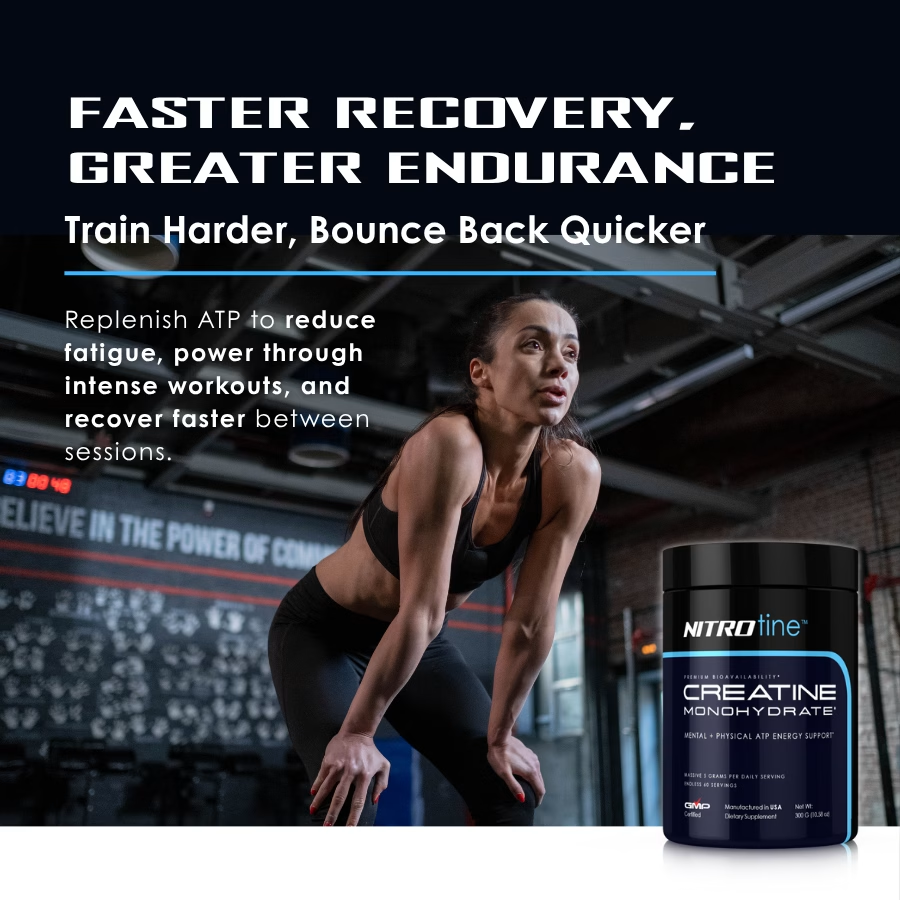
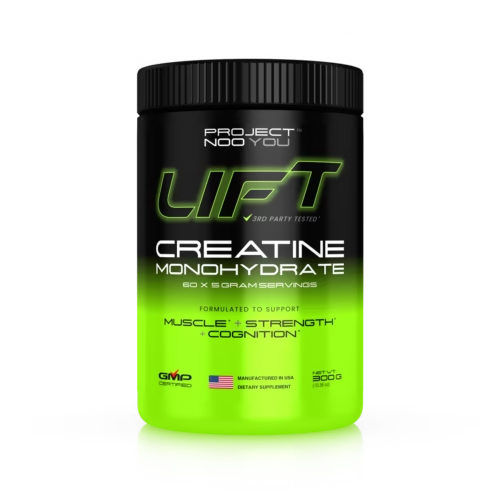
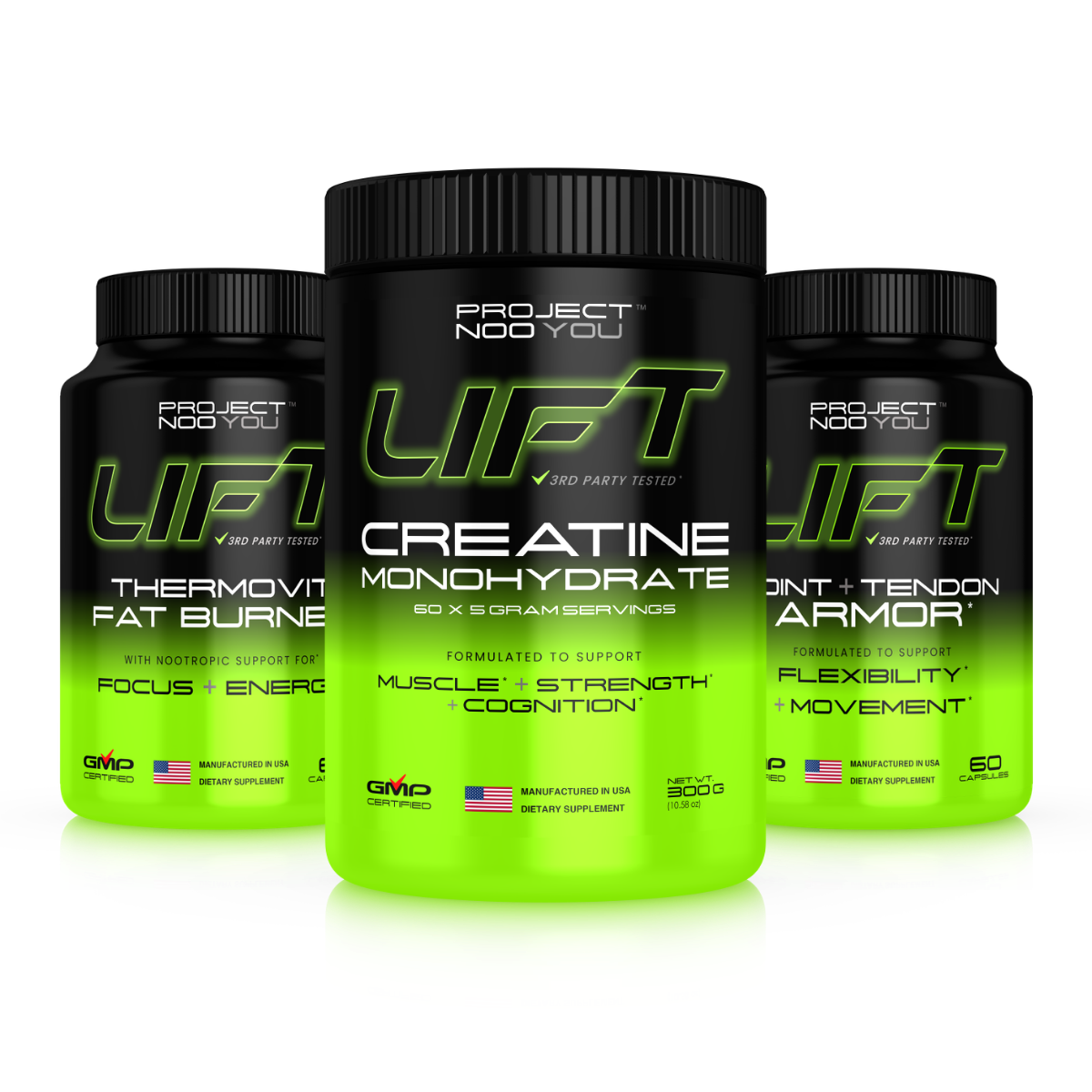
If you’re new to creatine and want a high-quality, beginner-friendly option, consider starting with NITROtine™ — our ultra-pure, micronized creatine monohydrate designed for maximum absorption and zero digestive discomfort.
NITROtine™ delivers exactly what the science supports:
Get 15% off your first bottle with code Nitrotine15 at checkout.
If you’ve been curious about creatine — this is the best place to start.