

As we age, maintaining strength, muscle mass, and mental sharpness becomes less about aesthetics — and more about independence, health, and quality of life.
Creatine is often associated with younger athletes, but modern research tells a different story: creatine may be even more valuable after 40 than it is in your 20s.
This article explains how creatine supports healthy aging, what the research shows for older adults, and how to use it safely and effectively later in life.
Starting around age 30, adults naturally begin to lose muscle mass and strength — a process known as sarcopenia. By the time many people reach their 50s and 60s, this loss can meaningfully impact:
At the same time, brain energy metabolism becomes less efficient with age, contributing to fatigue, slower processing speed, and cognitive decline.
Creatine directly supports cellular energy production, which is why it has gained attention in aging and longevity research.
One of the most consistent findings in older-adult research is that creatine enhances the benefits of resistance training.
Creatine does not “create” muscle on its own, but it allows older adults to:
All of which are critical for preserving muscle as we age.
Strength is one of the strongest predictors of longevity and independence.
Creatine helps by:
For adults over 40, this can mean:
Importantly, creatine’s benefits are seen even when training intensity is moderate, making it suitable for beginners and return-to-exercise adults.
Recovery capacity declines with age. Creatine has been shown to support:
This does not mean creatine is a pain reliever — but it can help older adults bounce back more reliably, allowing consistent movement and exercise.
The brain is one of the body’s most energy-demanding organs.
Research increasingly explores creatine’s role in:
These effects may be particularly relevant for:
Creatine is not a treatment for neurological disease, but it is being studied as a nutritional support for brain energy across the lifespan.
Creatine does not directly extend lifespan — but it may support healthspan, which is arguably more important.
By helping preserve:
Creatine aligns with many of the core pillars of healthy aging.
This is why creatine is increasingly discussed alongside:
For healthy adults, research consistently shows that creatine:
If you have pre-existing kidney disease or are under medical supervision for renal issues, consult your healthcare provider before supplementing.
For otherwise healthy adults, creatine is considered one of the safest long-term supplements available.
3–5 grams per day
Many adults prefer taking creatine:
Creatine may cause a small increase in body weight due to intramuscular water retention.
This is:
If scale weight is a concern, focus on:
The most research-supported option remains:
Preferably:
This is the same form used in the vast majority of aging and clinical research.
✔ Take 3–5g daily
✔ Skip loading
✔ Pair with resistance training (2–3×/week)
✔ Maintain adequate protein intake
✔ Stay consistent for at least 4–6 weeks
15% off for new users
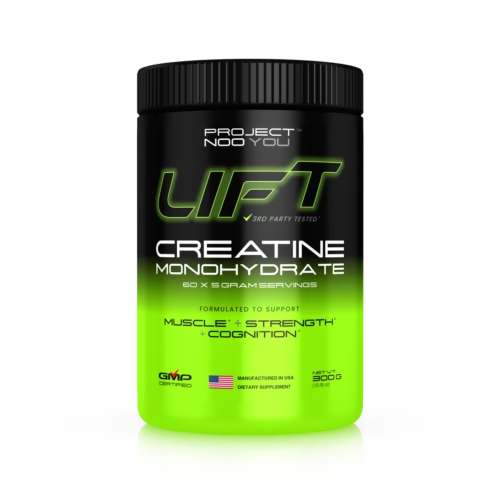
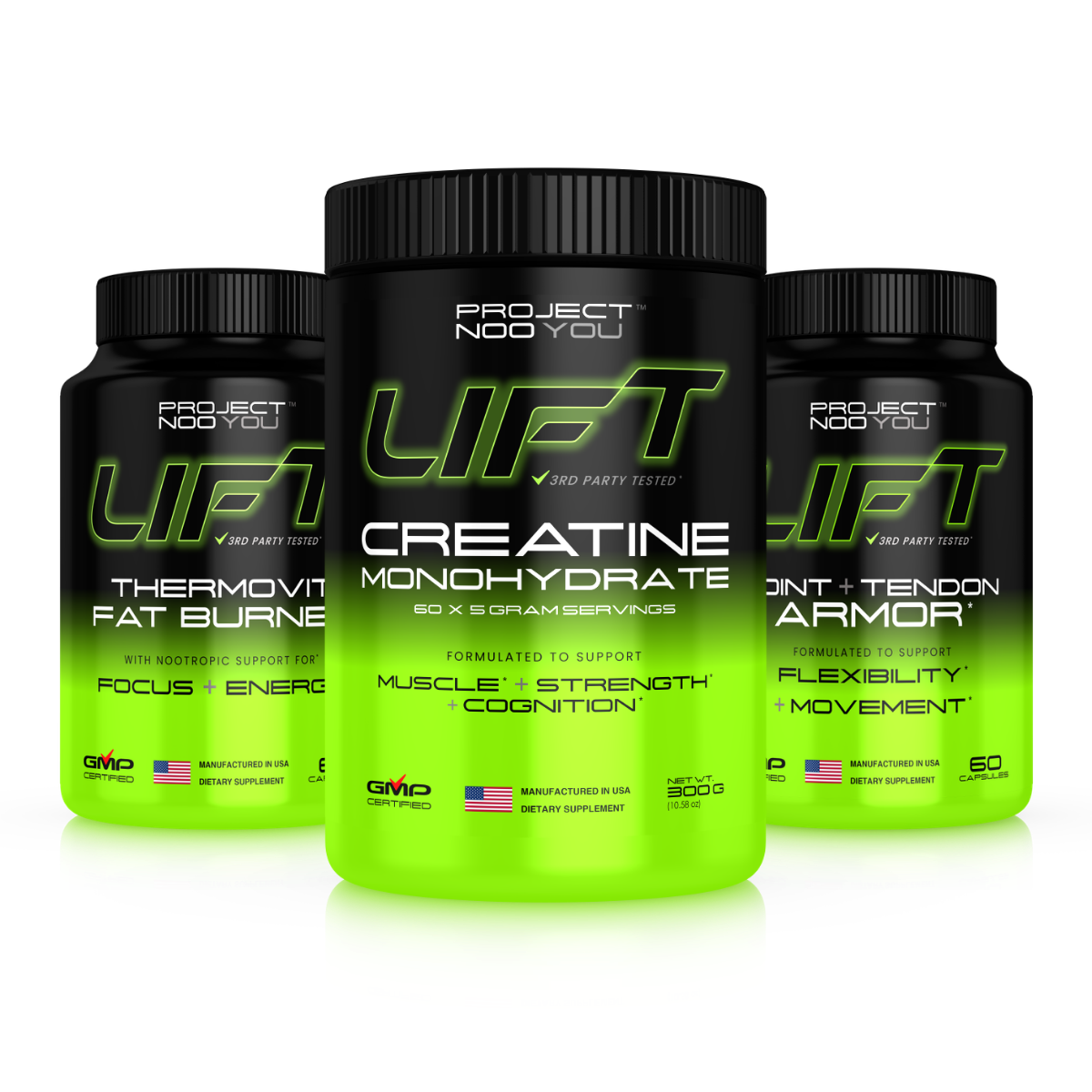
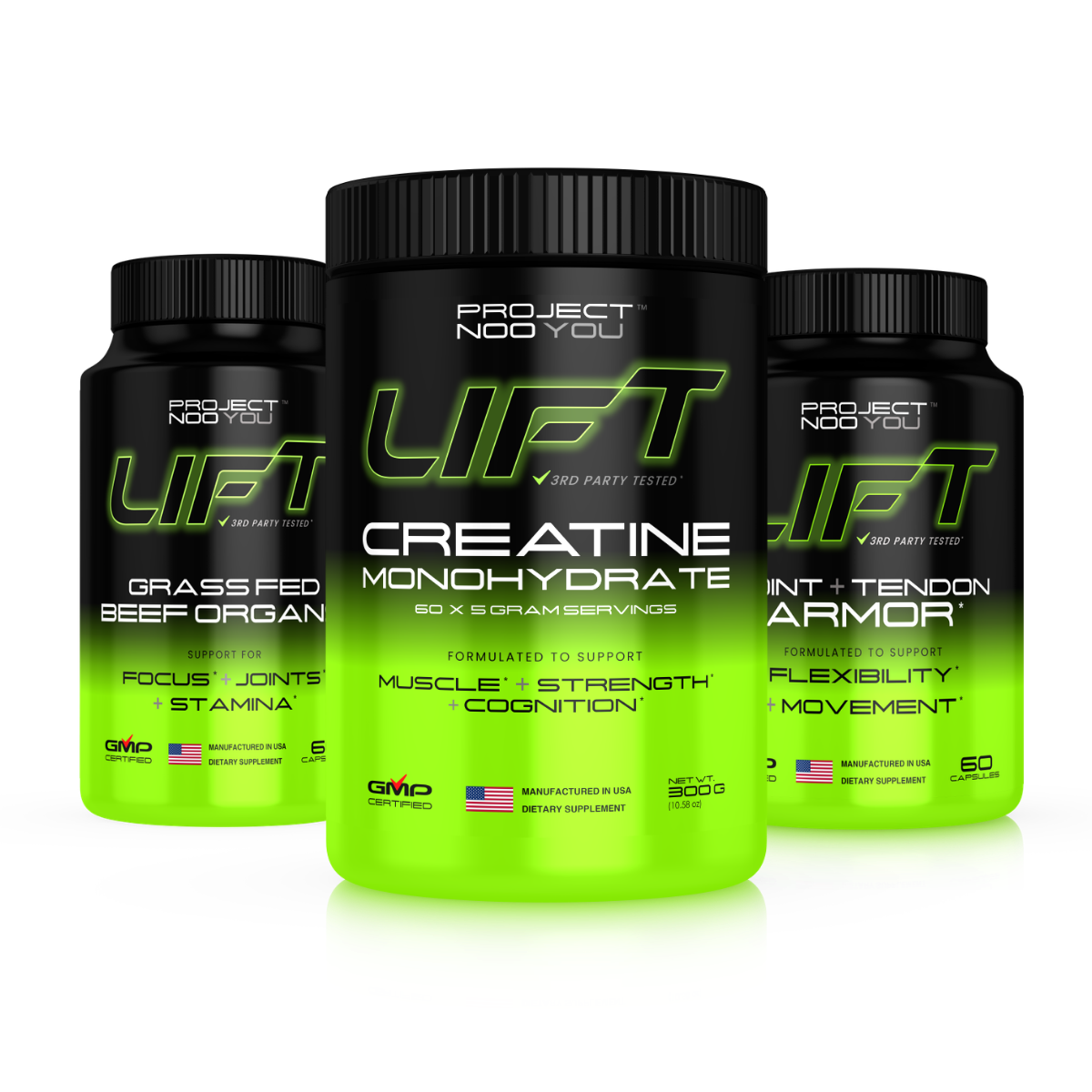
If you’re curious about creatine and want a clean, research-aligned option suitable for long-term use, NITROtine™ was formulated with simplicity and quality in mind.
NITROtine™ features:
New users get 15% off
Use code NITROTINE15 at checkout

Post 7: Creatine and the Brain — Memory, Cognition, Stress, and Mood