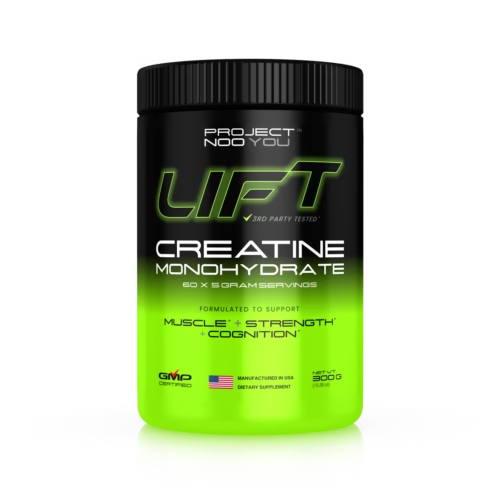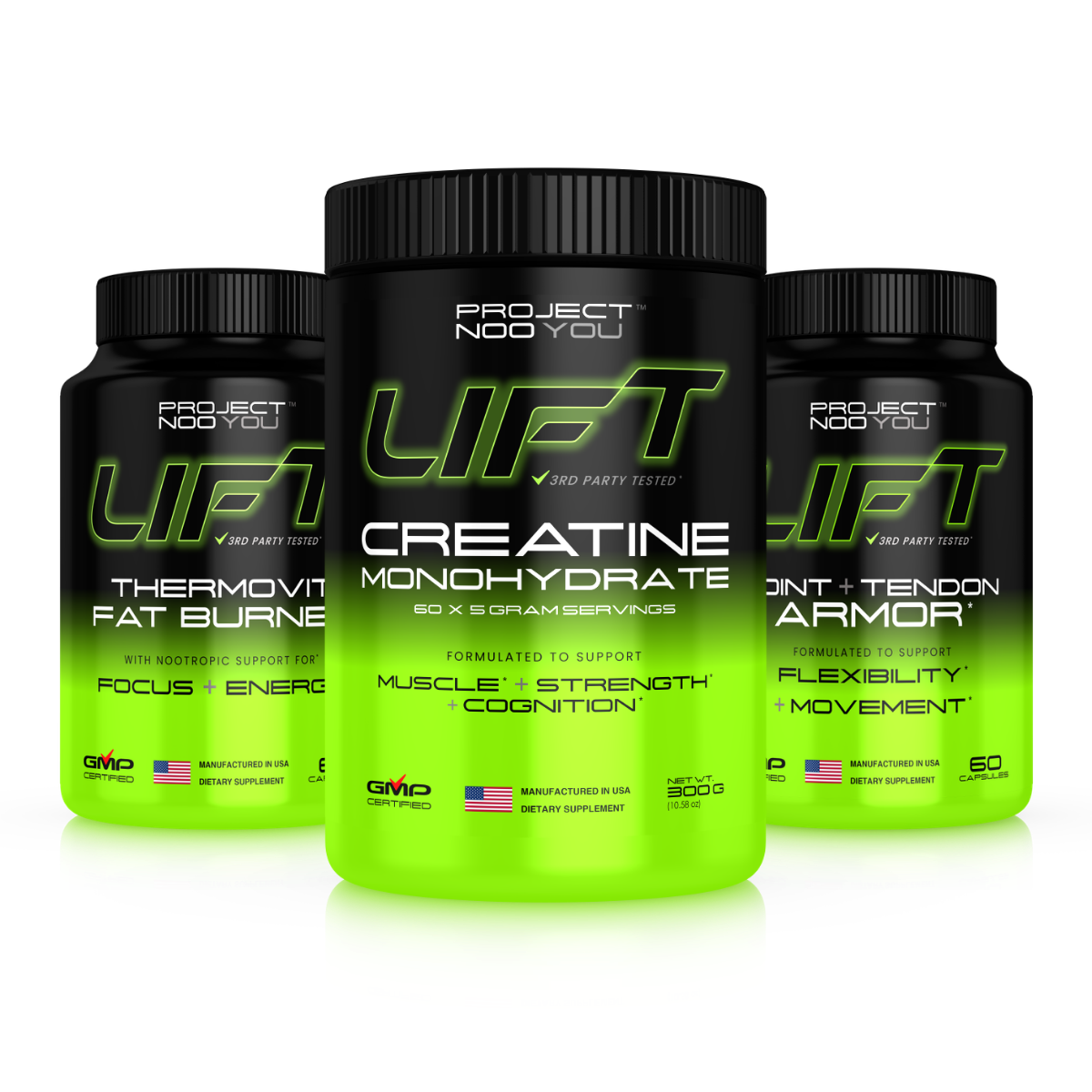


Creatine is not a trend. It is not a hype ingredient. And it is not a “maybe.”
Creatine is one of the most extensively researched supplements in human history, with over 700 peer-reviewed studies examining its effects on strength, muscle growth, athletic performance, brain function, aging, and long-term safety.
So what does the science actually say — beyond marketing claims and gym myths?
This article breaks down the research clearly, honestly, and without exaggeration.
Creatine has been studied more than most supplements for three key reasons:
Researchers are not asking if creatine works — they are studying how, where, for whom, and how safely it works over time.
The most consistent finding across creatine research is its effect on strength and power output.
What studies consistently show:
Why this happens:
Creatine increases phosphocreatine stores in muscle, which allows faster regeneration of ATP — the molecule that fuels explosive movement.
Translation:
More ATP = more reps, more weight, more work done.
Over weeks and months, that compounds into measurable strength gains.
Creatine does not directly “build muscle” like a hormone would — but the research shows it strongly supports muscle growth indirectly.
Research-backed mechanisms:
Meta-analyses consistently show that people who supplement with creatine while resistance training gain more lean mass than those who train without it.
Importantly, this increase is not just water weight — long-term studies confirm real increases in muscle fiber size.
Creatine has been shown to:
This does not mean creatine is an anti-inflammatory or painkiller. Instead, it improves energy availability, allowing muscles to recover function faster.
For anyone training multiple times per week, this matters.
While creatine is best known for weight training, research also shows benefits for:
Creatine is less effective for pure endurance events (e.g., long-distance running), but it can still improve sprint capacity within endurance sports.
One of the most interesting — and least discussed — areas of creatine research is brain energy metabolism.
Your brain uses enormous amounts of ATP. Creatine helps buffer and regenerate that energy.
Studies suggest creatine may:
These effects appear stronger in:
Creatine is now being studied in neurological and psychiatric contexts — not as a drug, but as metabolic support.
Ready to Try Creatine for the First Time?
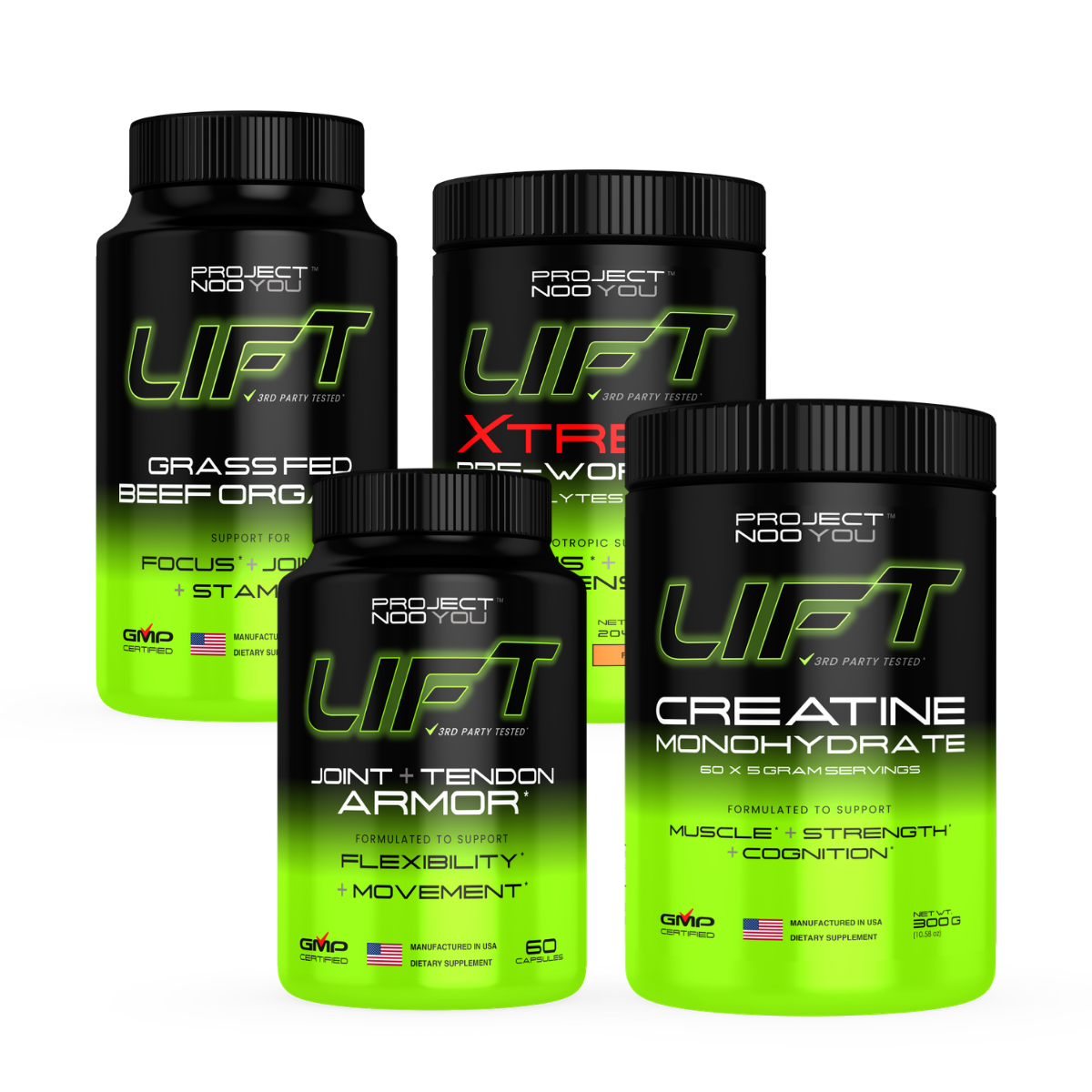
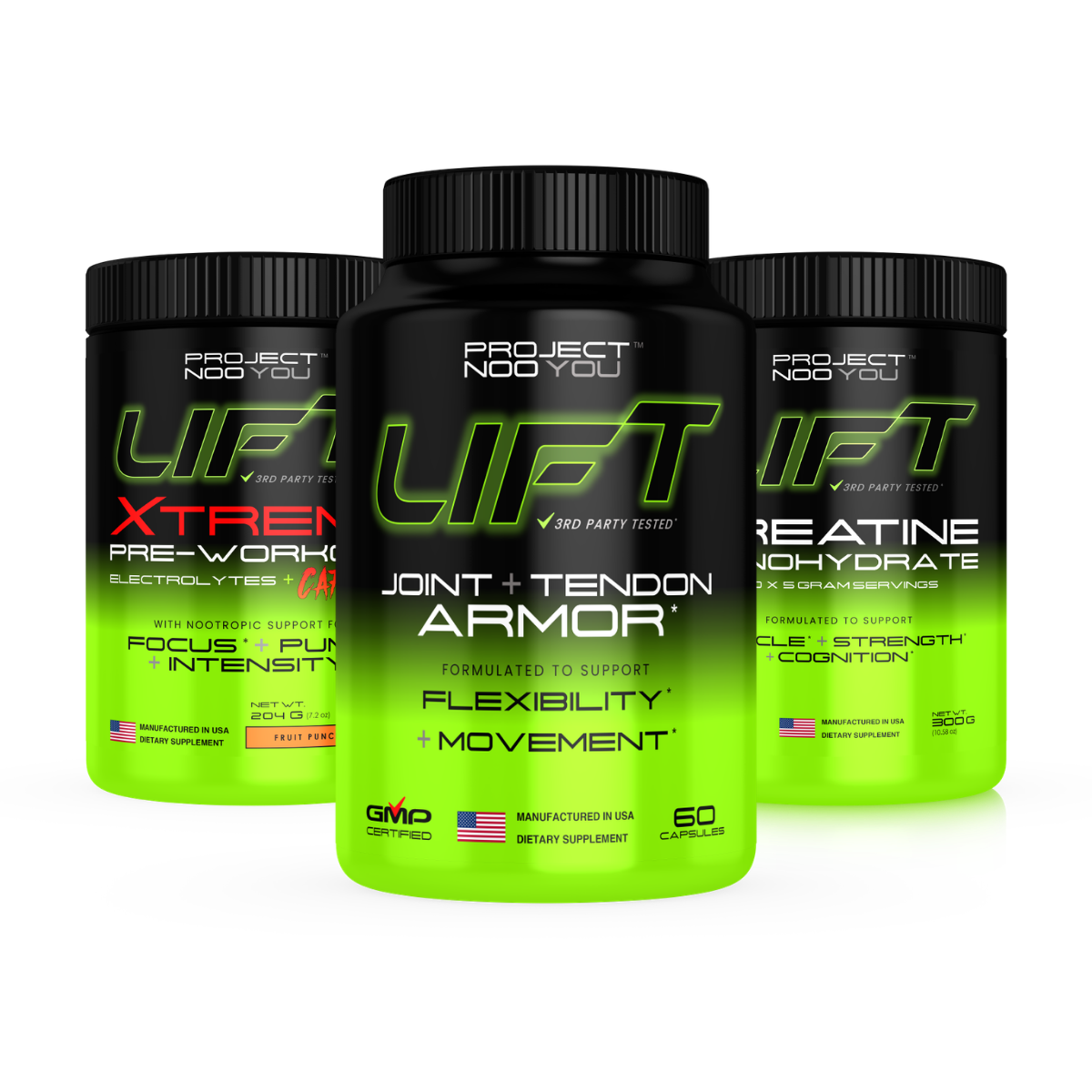
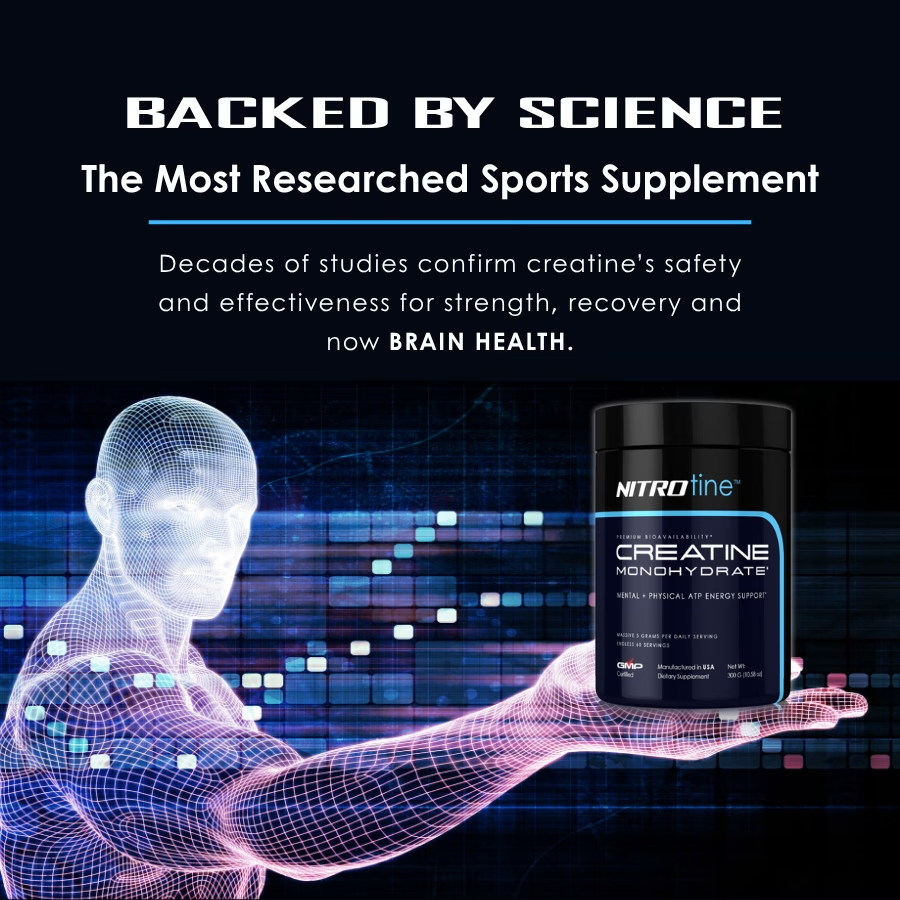
If you’re new to creatine and want a high-quality, beginner-friendly option, consider starting with NITROtine™ — our ultra-pure, micronized creatine monohydrate designed for maximum absorption and zero digestive discomfort.
NITROtine™ delivers exactly what the science supports:
Get 15% off your first bottle with code Nitrotine15 at checkout.
If you’ve been curious about creatine — this is the best place to start.
Contrary to popular belief:
Some studies show indirect hormonal benefits due to increased training intensity and lean mass, but creatine itself is hormonally neutral.
This is precisely why it is safe for:
Creatine is one of the few supplements with long-term safety data extending over years.
What research consistently shows in healthy individuals:
Kidney concerns almost always stem from:
At standard doses (3–5g/day), creatine is considered safe for long-term use in healthy adults.
Emerging research highlights creatine’s role in healthy aging, particularly:
This makes creatine one of the few supplements with relevance across the entire lifespan — from young athletes to adults over 50.
It’s equally important to be clear about what creatine does not do:
Creatine works best when paired with:
After hundreds of studies, decades of use, and millions of users, the scientific consensus is clear:
Creatine is:
Very few supplements meet all five criteria.
This is why creatine remains a foundational supplement, not a trend.
In the next article, we’ll move from science to application:
Post 4: Creatine for Beginners — How to Start, How Much to Take, and Common Mistakes